What is an On-Grid Solar System?

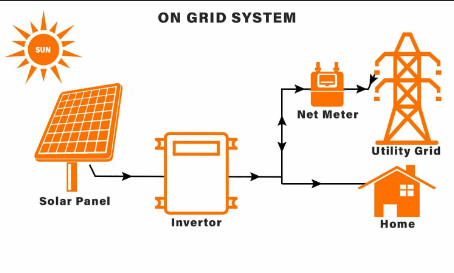
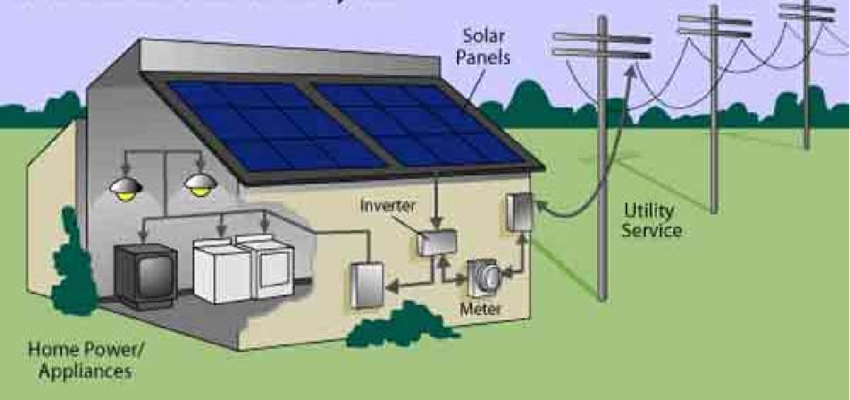
An on-grid solar system is a solar power setup that is connected directly to the utility electricity grid. It generates electricity from sunlight and supplies your home or business. Excess power produced is exported to the grid through net-metering, which reduces your electricity bill.

Key Features
  • Connected to the main electricity grid (no batteries required)
  • Lower installation cost compared to battery systems
  • Excess power exported to grid → energy credits via net-metering
  • Can reduce electricity bills up to 80–90% (depending on usage)
  • Ideal for most residential & commercial installations
On-Grid Solar System
How it works
  • Solar panels generate DC power from sunlight.
  • An inverter converts DC to AC (usable by appliances).
  • Your property uses solar power first; excess is sent to the grid.
  • At night or during low production, power is drawn from the grid.
  • Net-metering credits lower your monthly electricity bill.
Benefits
  • Lower lifetime energy cost
  • Minimal maintenance (no batteries)
  • Fast payback period in many locations
  • Reduces carbon footprint

Residential On-Grid Solar System

Ideal for homes that want to reduce monthly electricity bills without installing batteries. Uses rooftop space to generate clean energy and earn credits via net-metering.

Residential Solar Panels

Why choose residential on-grid?

No battery means lower upfront cost and simpler maintenance. Net-metering allows you to export surplus energy to the grid and earn credits—making the system highly cost effective for households.

Typical capacities

1 kW, 2 kW, 3 kW, 5 kW, 7.5 kW, 10 kW (custom options available)

Best for
  • Independent houses
  • Villas & bungalows
  • Apartments with rooftop access
Main Benefits
  • Up to 80% reduction in electricity bills
  • Low maintenance & long lifespan (25+ years)
Quick notes
  • Net-metering process depends on local DISCOM rules
  • Rooftop area and orientation affect system size